
Traditional Virtual Staging: Classic Furniture and Rich Wood Tones
Traditional virtual staging furnishes a photo of an empty room with rolled-arm seating, rich wood tones, a patterned rug and a symmetrical arrangement.
Upload the photo, keep Virtual staging and the Traditional style selected, pick the room type and press Generate.
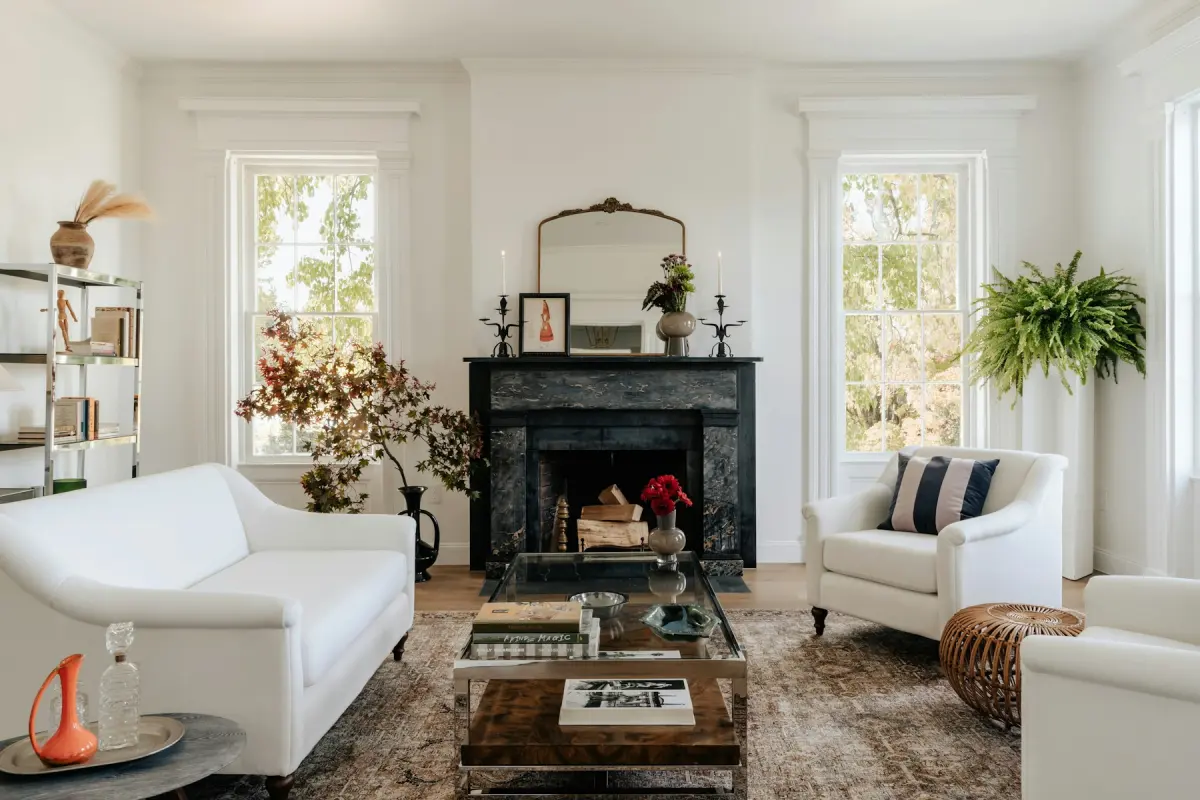
Style inspiration
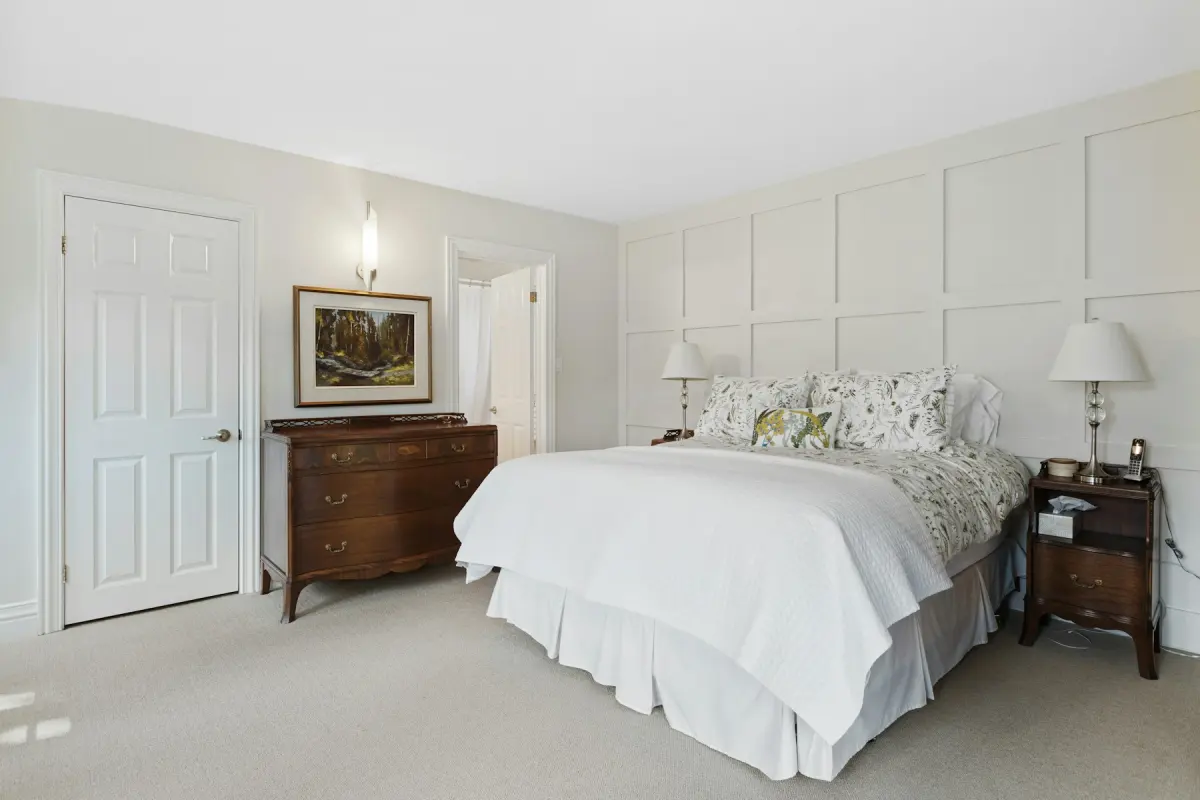 Traditional
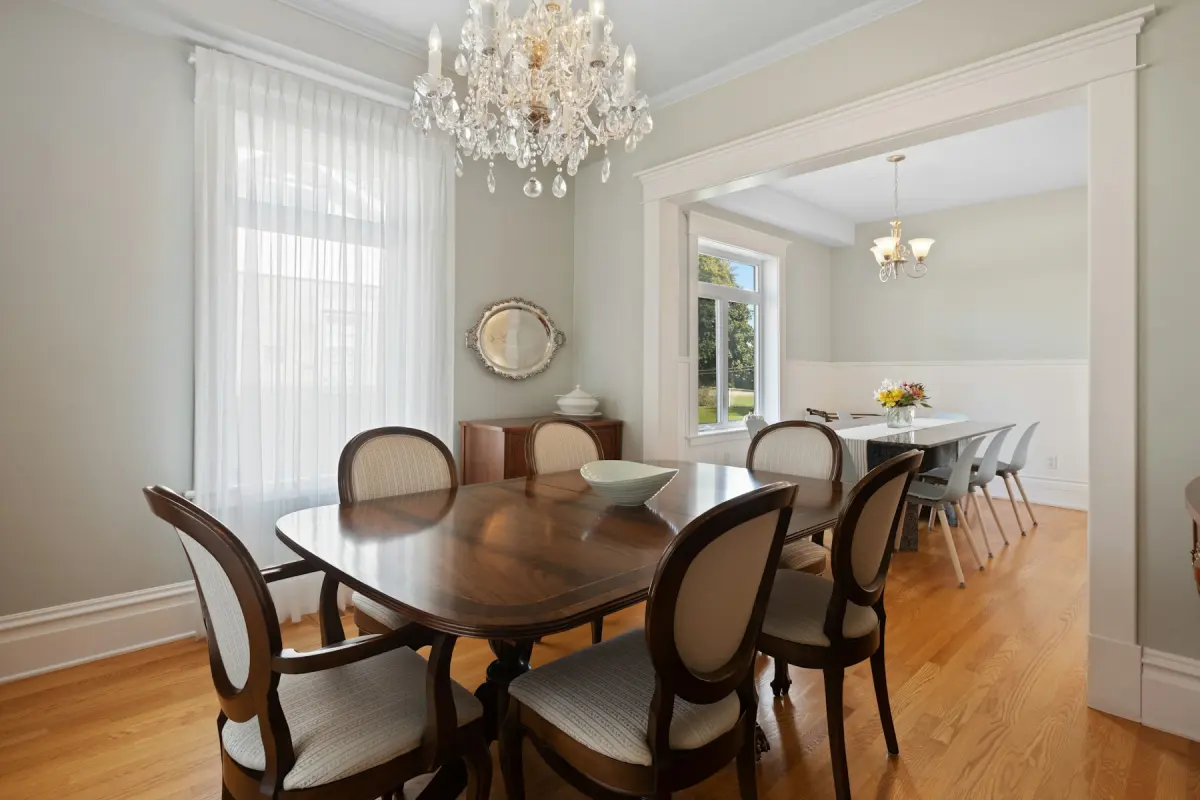 Traditional
Example note
Rolled-arm sofa centered on the main wall, a matching pair of armchairs facing each other across a dark wood coffee table. A patterned rug in navy and cream, two end tables with matching table lamps, framed landscape art above the sofa. Symmetrical layout.
Traditional staging is the formal, familiar look: a rolled-arm sofa, a pair of armchairs, rich wood tones on tables and chests, a patterned rug underfoot. Furniture is arranged symmetrically, with a matching lamp on each side of the sofa and chairs facing each other. Table lamps with shades do the lighting, and art comes in frames. The style request does not fix a color, so name one in the note if you want it: navy, deep green and cream all sit well against brown wood. The room looks settled, as if it has been furnished for years.
It suits houses with architecture to match: colonials, Georgians, Tudors, Victorians, brick homes with a center hall, and any room with crown molding, wainscoting, a paneled study or a formal fireplace. In those homes a low modern sofa can look like it wandered in. It also suits larger homes aimed at established buyers, where a formal dining room and a study are selling points and should look like what they are.
It is a weak fit for small apartments, new builds with plain drywall and open-plan layouts, and city listings marketed to first-time buyers. Rolled arms and dark wood are bulky; in a small room they take up floor area in the photo. The symmetrical layout also needs a wall or a focal point to center on, which an L-shaped open space may not offer. The best rooms are the dining room, the living room, a home office staged as a study, and the entryway. A traditional dining room gets a table with chairs sized to the room, a centerpiece, a sideboard, a rug and wall art.
Traditional is most often confused with Transitional. Transitional keeps the classic shapes but slims them down and puts them in beige and greige with some metal, so it looks lighter and newer. Luxury is the other neighbor: it is formal too, but contemporary, with velvet or bouclé, marble and brass. Farmhouse shares the wood but is casual and white. Pick Traditional when the house is formal and you want the furniture to agree with it.
Best for
- Colonial, Georgian, Tudor and Victorian houses
- Rooms with crown molding, wainscoting or a formal fireplace
- Formal dining rooms and studies
- Larger homes aimed at established buyers
Settings and tips
- Tell the note what to center the seating on, whichever the room really has: the fireplace, a bay window or the longest wall.
- Name the rug colors, such as “a navy and cream patterned rug”. The style asks for a patterned rug but not for a color.
- In a smaller room, ask for a loveseat in place of a full sofa so the walkways stay open.
- For a study, set Room to Home office and replace the note with “dark wood desk facing the door, a leather desk chair, a bookcase on the wall behind, a patterned rug”.
Frequently asked questions
More rooms and styles
- Room redesignRestyle a furnished room in one of 12 styles
- Living roomA sofa, chairs, rug and art for an empty living room
- BedroomA made bed, nightstands and a rug for an empty bedroom
- KitchenStools, a small table and light counter styling
- Dining roomA table, chairs and a sideboard sized to the room
- BathroomTowels, a bath mat and a plant; the fixtures stay
- Home officeA desk, an office chair and a bookshelf for a spare room